The Case of Charles “Sonny” Burton:
a Timeline of Injustice
How a non-shooter was sentenced to death under Alabama’s capital felony-murder law and why clemency is now his only chance for justice.
Mr. Charles “Sonny” Burton continues to live under a death sentence for a crime the State of Alabama does not dispute he did not commit. He did not fire the gun. He was not inside the store when Doug Battle was killed. And yet, while the man who pulled the trigger was re-sentenced to life without parole and later died in prison, Sonny remains condemned to die. Now, the State has cleared the way for the Governor to set an execution date. This timeline traces the events, decisions, and failures that brought us here, and why mercy is both necessary and just.
The timeline below lays out the key moments in Sonny’s case, from the 1991 robbery to the present, showing how a man who did not kill anyone came to face execution.
What is Capital Felony Murder?
Capital felony murder is a law that allows someone to be convicted of murder, and even sentenced to death, without killing anyone. Under this law, if a death happens during certain felonies, like robbery, everyone involved can be held legally responsible, even if they did not pull the trigger, intend for anyone to be harmed, or were not present when the killing occurred.
This law is how Charles “Sonny” Burton came to face execution, despite undisputed facts that he was not the shooter and was not inside the store when Doug Battle was killed.
Many legal experts and advocates argue that applying the death penalty to non-shooters under this law is fundamentally unjust.
Timeline
1991: The Incident
August 16, 1991: A robbery occurs at an Auto Zone in Talladega, Alabama. During the incident, customer Doug Battle is tragically shot and killed.
The Facts: Sonny is outside the building when the shot is fired. The State identifies Derrick DeBruce as the sole triggerman.
1991
1992: The Trial
January 31, 1992: A pretrial motions hearing is held in the absence of both Sonny and his co-defendant, a major procedural error later noted by legal scholars.
April 16, 1992: Despite not being the shooter, Sonny is convicted of capital murder under Alabama’s felony murder rule. The jury recommends death, and the judge sentences him to die.
1992
1993-1995: Initial Appeals
1993: The Alabama Court of Criminal Appeals affirms the conviction.
September 16, 1994: The Alabama Supreme Court affirms the conviction, despite internal arguments regarding the fairness of the trial.
May 15, 1995: The U.S. Supreme Court denies the initial petition for certiorari.
1993 - 1995
2005 - 2009
2005-2009: Federal & State Hurdles
Federal habeas corpus proceedings take place in the Northern District of Alabama. During this period, the court examines claims of ineffective assistance of counsel and the "non-triggerman" disparity, but the petition is ultimately denied, moving the case closer to an execution date.
2018 - 2019
2015, The Turning Point:
Triggerman Resentenced
Years Later: In a stunning turn of events, the State of Alabama agrees to resentence the actual shooter, Derrick DeBruce, to Life Without Parole.
The Disparity: While the person who pulled the trigger is removed from death row, Sonny, who was not even in the room, remains sentenced to death. The State later admits this result is arguably unjust.
2015
2018-2019: Final State Appeals
2018: The Alabama Supreme Court denies a further petition for writ of certiorari.
2019: Legal challenges continue regarding the constitutionality of Alabama’s sentencing scheme and the disparity between Sonny and his co-defendants.
2025-2026: The Fight for Clemency
October 2025: The State of Alabama files a motion to set an execution date for Sonny.
December 2025: Sonny’s legal team files a 10,000-word response urging the court to deny the execution warrant due to his deteriorating health and the inherent injustice of his sentence.
January 2026: A national clemency campaign launches. Advocates point to Oklahoma Governor Stitt’s recent clemency for a non-shooter as a precedent for Governor Kay Ivey to follow.
February 5, 2026: Governor Ivey sets a March 12 execution date for Sonny Burton.
2025 - 2026
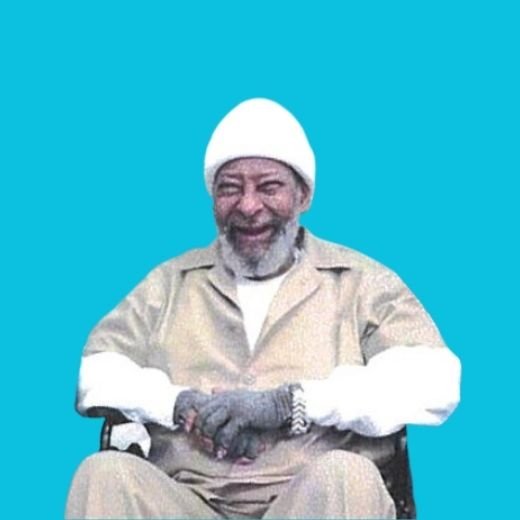
Take Action for Sonny: Call for Clemency
The timeline above shows how Sonny came to face execution for a shooting he did not commit - not through a single decision, but through a series of choices that prioritized punishment over fairness. The courts can no longer intervene. The facts are undisputed. The responsibility now rests with the Governor of Alabama.
Clemency is not about reopening the past. It is about correcting the present.
Take action today by adding your name to the call for mercy for Mr. Burton.